The Hidden Problem With Pedestrian Safety Across Mixed Forklift Fleets
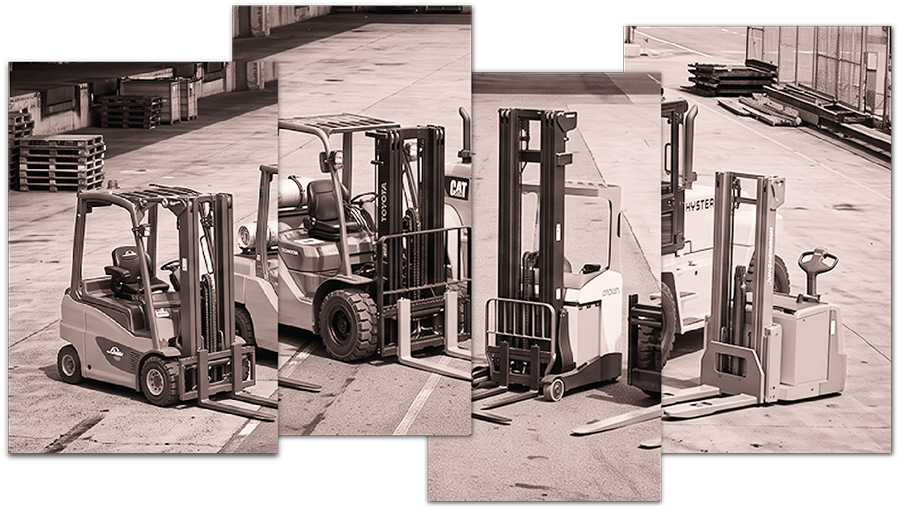
For large organizations, pedestrian safety is rarely a single-site problem.
One facility might operate Toyota forklifts, another Crown or Jungheinrich, while others rely on leased equipment or older machines from different manufacturers. Yet every site shares the same responsibility: protecting the people working around that equipment.
So how do you establish a consistent pedestrian safety standard when your forklift fleet isn't standardized?
It's a question worth asking, because the answer can have a significant impact on how safety is managed across an organization.
When equipment determines your safety standard
Manufacturer-specific pedestrian detection systems can work well where they're available and compatible. The challenge is that multinational organizations rarely operate perfectly standardized fleets. Equipment is replaced at different times, suppliers change, and older machines can remain in service for years.
Some detection systems may only be available on particular models or configurations, while retrofit options can be limited. Over time, organizations can end up with different technologies, capabilities and operating procedures across their sites.
You haven't necessarily established a consistent safety standard. You've established one wherever the equipment allows it.
If pedestrian safety is a priority, should the forklift manufacturer determine whether your people receive that additional protection?
The safety requirement should come first, not the equipment.
Consistency creates an opportunity to understand risk
Managing multiple systems across dozens of sites can complicate installation, training, maintenance and support. It can also make it harder for safety teams to establish consistent expectations and learn from what's happening across the wider operation.
There's a bigger opportunity here, too.
Traditional incident reporting captures events that are observed, reported or investigated. It doesn't necessarily reveal the everyday interactions that never result in an incident.
A pedestrian walking behind a reversing forklift or repeated close interactions at a blind corner may go unnoticed until something goes wrong. Understanding these interactions can help organizations identify patterns and address risks before they lead to injury or equipment damage. Rather than simply counting alerts, safety teams can begin asking why certain interactions keep happening and what changes might prevent them.
A consistent approach across mixed fleets
This is where an OEM-independent approach to pedestrian detection becomes valuable.
The SEEN Safety System can be retrofitted across different makes and models of material handling equipment, allowing organizations to establish a consistent detection strategy without waiting for fleet replacement. SEEN detects designated retroreflective material and alerts operators when a pedestrian enters the configured detection area. SEEN Insight can also provide visual evidence of detection events, helping safety teams investigate interactions and better understand operational risk.
The technology provides an additional layer of protection and information. It doesn't replace operator responsibility, training or effective traffic management. Instead, it helps operators and safety teams make better-informed decisions.
For multinational organizations, the advantage is that their approach to pedestrian detection doesn't have to change every time a forklift supplier does.
One standard, regardless of the fleet
A global pedestrian safety strategy should be about more than installing technology across multiple countries. It should provide a practical, consistent approach that can adapt as equipment, suppliers and operations change.
That means separating two decisions: which forklift is right for the operation, and which pedestrian safety standard should apply across the business. Those decisions don't have to be controlled by the same supplier.
The goal isn't to standardize every forklift. It's to establish a consistent approach to protecting people, regardless of what's written on the side of the machine.
Different forklifts. One consistent approach to pedestrian safety.
Talk to SEEN about improving pedestrian safety across your mixed forklift fleet.