The True Cost of a Forklift Accident
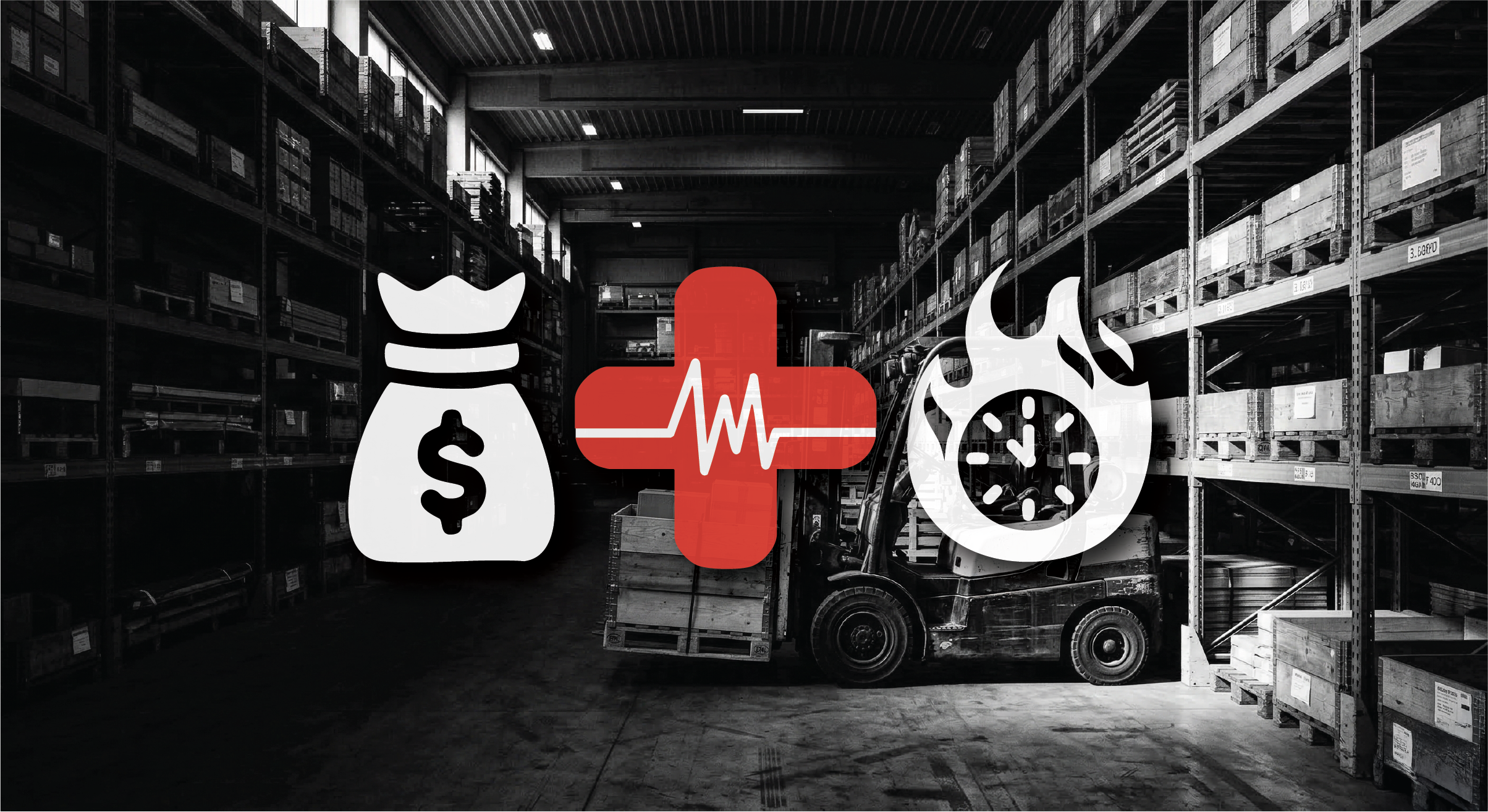
“Over 1,200 pedestrians are killed in forklift accidents worldwide each year, and countless more are seriously injured. One preventable incident could cost your company far more than you ever budgeted.”
Forklifts are the backbone of warehouses and manufacturing plants, but the risks are real—and often closer than most managers realize. In the United States alone, the Bureau of Labor Statistics recorded 67 forklift‑related fatalities in 2023, reminding us that even in highly regulated workplaces, deadly incidents still occur. OSHA also continues to find Powered Industrial Truck hazards among the most frequently cited violations, with over 2,400 citations issued and more than $8 million in penalties in FY 2024. Safety experts estimate that up to 70% of forklift accidents could be prevented with proper training and hazard controls. However, many managers perceive safety investments as expensive “nice‑to‑haves,” overlooking the hidden financial, operational, and human costs of a single incident.
The Ripple Effect of a Single Incident
When a pedestrian is struck by a forklift, the consequences extend far beyond the injured worker. Medical and rehabilitation expenses alone can be staggering, as serious injuries often require emergency care, surgery, and prolonged recovery. Workers’ compensation claims and insurance premium increases add further financial strain.
Operationally, production often halts while investigations and equipment inspections take place, even after a seemingly minor collision. Lost work time and delayed shipments can rapidly erode revenue in fast‑paced logistics and manufacturing environments. Forklift accidents also tend to be more severe than many other workplace incidents, leading to significant days away from work and higher disability rates.
Legal and regulatory exposure adds another layer of risk. Serious incidents can trigger lawsuits and settlements reaching hundreds of thousands—or even millions—of dollars, and OSHA investigations often accompany fatal or severe injuries. Equipment damage, whether to forklifts, racking, inventory, or infrastructure, can easily add tens of thousands of dollars in repairs and replacement costs.
Beyond these direct costs, reputational damage can be profound. Customers, partners, and employees notice when a serious accident occurs, and trust in your safety culture can erode quickly. Workforce morale may dip as employees question whether their employer truly values their wellbeing, potentially increasing turnover and lowering productivity—hidden impacts that are hard to quantify but significant when they occur.
Why Prevention Is the Smart Investment
The total cost of a serious pedestrian‑forklift incident can easily exceed hundreds of thousands of dollars, when you tally medical care, operational downtime, legal exposure, equipment replacement, and morale costs. Yet prevention is well within reach. Technologies such as pedestrian‑detection systems, clear traffic management, and rigorous operator training have been shown to dramatically reduce risk.
For managers, the real question isn’t whether safety pays—but whether you can afford not to act. Every dollar invested in proactive safety measures protects lives, maintains operational flow, and safeguards your bottom line.
SEEN Safety: Affordable, Practical Protection
Preventing accidents doesn’t have to be viewed as a high‑cost burden. SEEN Safety provides solutions that are both effective and affordable, designed to integrate seamlessly into your existing warehouse or manufacturing operations. Our systems provide real‑time alerts the moment someone enters a hazard zone, stopping accidents before they happen.
Investing in safety now means avoiding the potentially hundreds of thousands of dollars in hidden costs—and the human tragedy—of a single preventable incident. Safety isn’t just a compliance exercise; it’s a smart, strategic business decision that protects your people, your operations, and your reputation.