Why Pedestrian Detection Systems in the Workplace are Becoming a Competitive Advantage
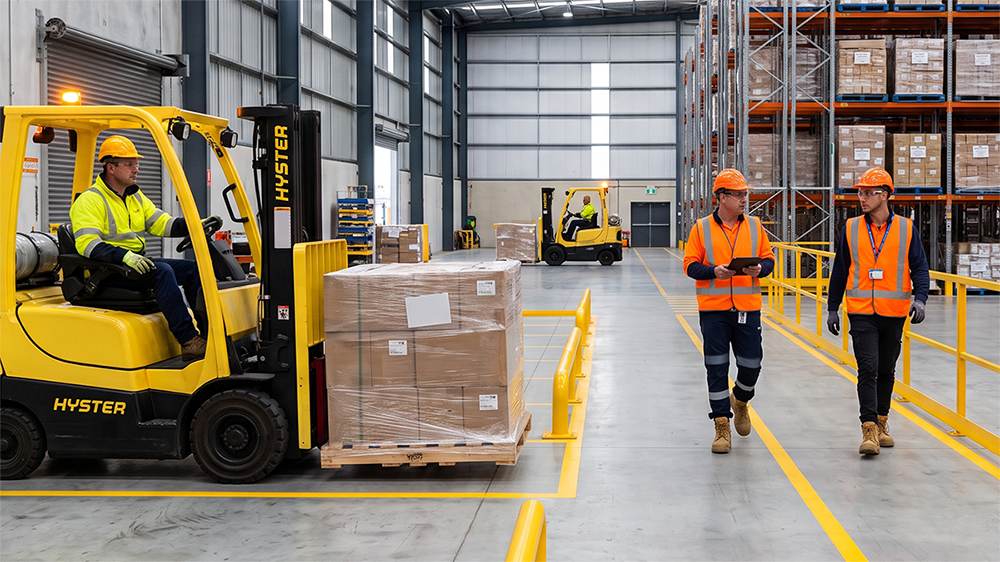
For many years, workplace safety was viewed primarily as a compliance obligation. Businesses invested in safety because regulations required it and because incidents carried obvious financial and legal consequences.
That view is changing.
Increasingly, customers, employees, and business partners see safety performance as a signal of how well an organization is managed. Strong safety standards are no longer simply a legal requirement; they are becoming a competitive advantage that influences trust, reputation, workforce stability, and operational performance.
The companies that recognize this shift early are often the ones that build stronger customer relationships, attract better talent, and experience less disruption to the flow of business.
Customers Expect More Than Compliance
In many industrial sectors, procurement decisions are no longer based solely on price and technical capability. Major customers increasingly assess the operational maturity of the companies they work with, and the safety performance forms an important part of that assessment.
A business that can demonstrate strong safety controls, clear procedures, and proactive risk management sends a very different message from one that relies solely on reactive incident reporting.
Customers want confidence that operations are controlled, risks are understood, and work can be delivered consistently. Safety performance becomes evidence of reliability.
This is particularly important in logistics, warehousing, manufacturing, and other high-risk environments where contractor performance can directly affect the customer's own operations. A supplier that manages safety well is often perceived as lower risk overall.
Visibility Builds Confidence
One of the biggest shifts in modern industrial safety is the move from reactive reporting to proactive visibility.
Historically, organizations have relied heavily on incident reports, audits, and observations to understand risk. The challenge is that many near misses and exposure events are never formally reported. Businesses may believe that they have a complete picture of workplace risk when important information is still missing.
Modern pedestrian detection systems provide a different perspective on safety in the workplace. By improving visibility around mobile equipment and collecting operational safety data, organizations can identify patterns, high-risk areas, and pedestrian exposure events that might otherwise remain unseen.
That additional visibility helps leaders make better decisions and demonstrates to customers that safety is being actively managed, not simply reviewed after an incident occurs.
Safer Workplaces Maintain Staff and Attract Talent
Competition for skilled labor remains a significant challenge across many industrial operations. Employees increasingly look beyond wages when deciding where to work; they also heavily consider where they feel respected, supported, and, most importantly, safe in high-risk environments within the workplace.
A workplace that invests in modern safety controls communicates that people matter. Operators are more likely to engage with systems that help them identify hazards, improve awareness, and reduce uncertainty in busy operating environments.
Strong safety performance can contribute to a more stable workforce, higher morale, and a stronger long-term organizational capability throughout. These outcomes are business advantages, not just safety outcomes.